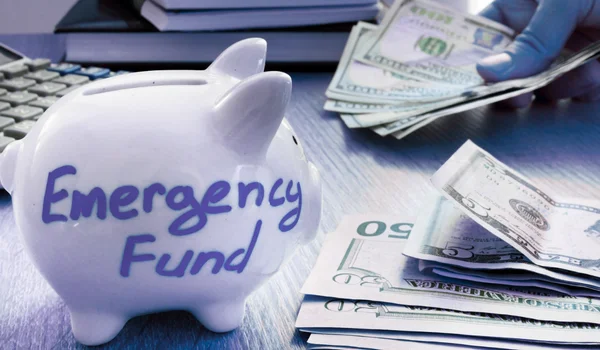
An emergency fund is money kept aside specifically for unexpected financial situations. It can help you manage expenses such as job loss, medical emergencies, urgent repairs or sudden family needs without relying heavily on credit cards or high-interest loans.
There is no single amount that is suitable for everyone. The right emergency fund depends on your monthly essential expenses, income stability, family responsibilities, debt and overall financial situation.
For many people, a useful starting target is three to six months of essential expenses.
Quick Information
| Factor | Recommendation |
| Purpose | Cover unexpected financial needs |
| Common Target | 3–6 months of essential expenses |
| Higher Target | 6–12 months for certain situations |
| Best Location | Easily accessible, relatively low-risk option |
| Use For | Genuine emergencies |
| Avoid Using For | Regular shopping or planned lifestyle expenses |
What Is an Emergency Fund?
An emergency fund is a financial reserve that you can access when an unexpected expense affects your normal budget.
Examples include:
- Sudden loss of employment
- Unexpected medical expenses
- Major vehicle repairs
- Urgent home repairs
- Emergency travel
- Temporary loss of business income
- Unexpected family expenses
The purpose is not to generate maximum investment returns. Its primary purpose is financial stability and liquidity.
How Much Emergency Fund Should You Have?
A common guideline is to keep three to six months of essential expenses.
For example, suppose your essential monthly expenses are ₹40,000.
Three-Month Emergency Fund
₹40,000 × 3 = ₹1,20,000
Six-Month Emergency Fund
₹40,000 × 6 = ₹2,40,000
Therefore, an emergency fund of approximately ₹1.2 lakh to ₹2.4 lakh would represent three to six months of those essential expenses.
The appropriate target can be higher or lower depending on your circumstances.
What Are Essential Expenses?
When calculating your emergency fund, focus on expenses you would still need to pay during a financial emergency.
These may include:
- Rent
- Groceries
- Electricity
- Water
- Basic transportation
- Health-related expenses
- Insurance premiums
- School or essential education costs
- Minimum loan payments
- Basic household expenses
You generally do not need to include optional expenses such as luxury shopping, vacations or frequent restaurant meals.
Example of Emergency Fund Calculation
Suppose your monthly expenses are:
| Expense | Monthly Amount |
| Rent | ₹15,000 |
| Groceries | ₹7,000 |
| Utilities | ₹3,000 |
| Transport | ₹3,000 |
| Insurance | ₹2,000 |
| EMI | ₹7,000 |
| Other essentials | ₹3,000 |
| Total Essential Expenses | ₹40,000 |
Your emergency fund could be:
- 3 months: ₹1,20,000
- 6 months: ₹2,40,000
- 9 months: ₹3,60,000
- 12 months: ₹4,80,000
You do not necessarily need to build the highest target immediately. Start with a smaller reserve and increase it gradually.
Who Should Keep a Larger Emergency Fund?
A six-month or larger emergency fund may be more appropriate for people with greater income uncertainty or financial responsibilities.
Consider maintaining a larger reserve if you are:
Self-Employed
Business income can fluctuate, so a larger cash reserve can provide additional protection.
A Freelancer
Freelancers may not receive a fixed monthly salary, making income less predictable.
The Sole Earner
If your household depends primarily on one income, losing that income can have a larger financial impact.
Supporting a Family
People responsible for children, parents or other dependants may have higher essential expenses.
Working in an Uncertain Industry
If finding a new job could take several months, a larger emergency fund may be useful.
Where Should You Keep an Emergency Fund?
The emergency fund should be safe and accessible.
Possible options may include:
- Savings account
- Sweep or linked deposit facility, where suitable
- Short-term or easily accessible deposits
The exact choice depends on liquidity requirements, interest rates, taxation and your financial circumstances.
Avoid putting your entire emergency fund into volatile investments simply because they may offer higher long-term returns.
The key requirement is that the money should be available when you genuinely need it.
Emergency Fund vs Savings
A normal savings account can be used for many purposes, such as travel, shopping or planned purchases.
An emergency fund has a specific purpose.
For example:
Savings: ₹50,000 for a planned holiday
Emergency Fund: ₹2,00,000 reserved for unexpected financial problems
Keeping these purposes separate can reduce the chance of spending emergency money unnecessarily.
Emergency Fund vs Investment
Emergency funds and investments have different objectives.
| Emergency Fund | Investment |
| Focuses on safety and liquidity | Focuses on long-term growth |
| Used for unexpected expenses | Used for financial goals |
| Usually kept in accessible options | May be invested in market-linked assets |
| Short-term purpose | Often long-term purpose |
Money that you may need during an emergency should not be exposed to unnecessary market volatility.
How to Build an Emergency Fund
You do not have to save the entire amount at once.
Step 1: Set a Target
Calculate your essential monthly expenses and multiply them by the number of months you want to cover.
Step 2: Start With a Small Goal
If your final target is ₹2,40,000, you can initially aim for ₹50,000 or ₹1,00,000.
Step 3: Automate Savings
Transfer a fixed amount to your emergency fund after receiving your income.
Step 4: Use Extra Income
Bonuses, tax refunds, freelance income or other unexpected money can help build the fund faster.
Step 5: Rebuild After Using It
If you use the emergency fund, make rebuilding it a financial priority.
When Should You Use an Emergency Fund?
Use it for genuine unexpected expenses that you cannot comfortably cover through your regular income.
Appropriate examples may include:
- Sudden unemployment
- Emergency medical expenses
- Urgent home repairs
- Essential vehicle repairs
- Unexpected family emergencies
Avoid using it for:
- New smartphones
- Holidays
- Regular shopping
- Dining out
- Planned purchases
- Lifestyle upgrades
For planned expenses, create separate sinking funds or savings goals.
Common Emergency Fund Mistakes
Avoid these mistakes:
- Keeping no emergency reserve
- Investing the entire emergency fund in volatile assets
- Keeping too much money inaccessible
- Using the fund for non-essential purchases
- Forgetting to increase the fund when expenses rise
- Not rebuilding the fund after using it
- Calculating the target using total spending instead of essential expenses
Frequently Asked Questions
Is three months enough for an emergency fund?
Three months can be a useful starting point, but the appropriate amount depends on your income stability, expenses and responsibilities.
Is a six-month emergency fund better?
A six-month reserve provides a larger financial cushion, but building it may take longer. The appropriate target depends on your circumstances.
Should an emergency fund be invested?
The primary purpose of an emergency fund is safety and accessibility. It should generally not be exposed to unnecessary investment risk.
Should I build an emergency fund before investing?
For many people, establishing an initial emergency reserve before taking significant investment risk can provide greater financial stability. The exact order depends on your debt, income and financial circumstances.
Conclusion
A practical emergency fund target for many households is three to six months of essential expenses. People with irregular income, dependants or greater employment uncertainty may choose a larger reserve.
Start with a realistic target, keep the money accessible and use it only for genuine emergencies. Once the fund is established, review it periodically as your income, expenses and family responsibilities change.