Category: Finance

11 posts

Demat Account Standard

What Happens to Your Demat Account When You Change Your PAN?

Permanent Account Number (PAN) is an important identification and KYC detail associated with a Demat account in India. Therefore, if your PAN details change or a new PAN has been issued to you in a situation where a correction or replacement is legally required, you should update the relevant details with your Depository Participant (DP).…


Read more
Transfer Physical Share Certificates to a Demat Account Standard

How to Transfer Physical Share Certificates to a Demat Account

Many Indian investors still have old share certificates in physical form that were issued years or even decades ago. These certificates can represent valuable investments, but holding securities electronically in a Demat account is generally more convenient for selling, transferring and managing them. The process of converting physical share certificates into electronic holdings is called…

Read more
Credit Risk vs Ultra Short Duration Funds Standard

Credit Risk vs Ultra Short Duration Funds: Understanding the Key Differences

Not All Debt Funds Are Cut From the Same Cloth Debt funds get grouped together often, as if they’re all interchangeable cousins offering similar stability. They genuinely aren’t. Two categories in particular sit at almost opposite ends of the risk spectrum within debt investing, and understanding that difference matters enormously before parking money in either.…

Read more
How to Create a Monthly Budget Standard

How to Create a Monthly Budget: Complete Guide

A monthly budget is a simple plan that shows how you will use your income during the month. It helps you control expenses, increase savings, manage debt and work toward financial goals. Creating a budget does not mean you have to stop spending on things you enjoy. Instead, it helps you understand where your money…

Read more
50-30-20 Budget Rule Standard

50/30/20 Budget Rule: How It Works

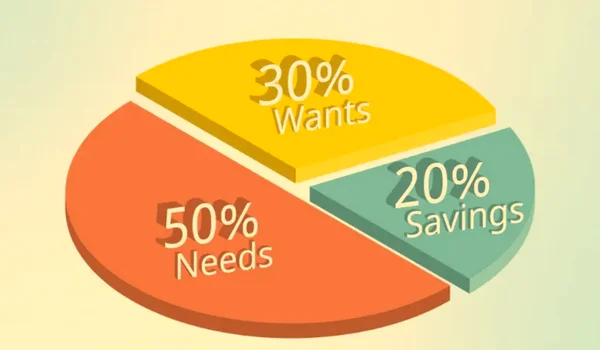
The 50/30/20 budget rule is a simple method for dividing your monthly income into three broad categories: needs, wants and savings or debt repayment. It is commonly used by people who want a straightforward way to organise their personal finances without tracking every individual expense. Under this approach, 50% of income goes toward needs, 30%…

Read more
Zero-Based Budgeting Standard

Zero-Based Budgeting: Meaning and Examples

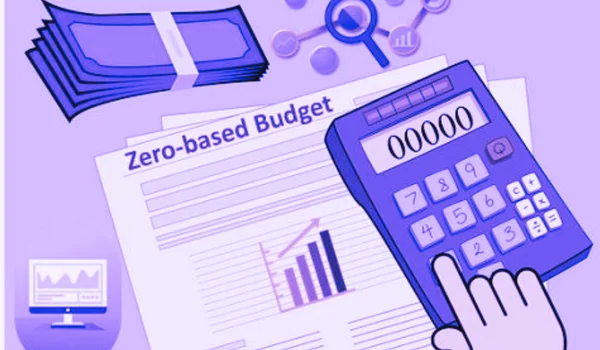
Zero-based budgeting (ZBB) is a budgeting method in which you assign a specific purpose to every rupee of your income. The goal is to make your planned income minus planned expenses, savings and investments equal to zero. This does not mean spending all your money. Instead, every rupee is given a job, such as paying…

Read more
Remove a Joint Holder From a Demat Standard

How to Remove a Joint Holder From a Demat Account

A joint Demat account allows two or more individuals to hold securities together. However, circumstances can change, and an investor may want to remove a joint holder because of a change in the investment arrangement, family circumstances, or the need to maintain securities in a different holding pattern. One important point is that removing a…

Read more
Emergency Fund Standard

Emergency Fund: How Much Money Should You Save?

An emergency fund is money kept aside specifically for unexpected financial situations. It can help you manage expenses such as job loss, medical emergencies, urgent repairs or sudden family needs without relying heavily on credit cards or high-interest loans. There is no single amount that is suitable for everyone. The right emergency fund depends on…

Read more