Managing money effectively means knowing how much you earn, where your money goes, how much you save and how you can use your money to achieve future financial goals. Good money management is not only about saving more. It also involves controlling expenses, managing debt, building an emergency fund and investing wisely.
Whether you are a salaried employee, self-employed professional or business owner, a simple financial system can help you make better decisions and reduce unnecessary financial stress.
Quick Information

| Money Management Area | What to Do |
| Income | Track all sources of income |
| Expenses | Create and follow a budget |
| Savings | Save before spending |
| Emergency Fund | Keep money for unexpected expenses |
| Debt | Repay expensive debt first |
| Investment | Invest according to your goals |
| Insurance | Protect against major financial risks |
| Review | Check finances regularly |
- Know Your Monthly Income
The first step in managing money is knowing exactly how much you receive every month.
For salaried people, consider your actual take-home salary, rather than gross salary. If you have additional income from freelancing, rent, business or other sources, include it separately.
Knowing your reliable monthly income gives you a realistic limit for spending and saving.
- Track Your Expenses
Many people know their income but do not know where their money is being spent.
Track expenses such as:
- Rent or home loan EMI
- Food and groceries
- Electricity and other bills
- Transportation
- Education
- Insurance premiums
- Shopping
- Entertainment
- Subscriptions
- Loan EMIs
You can use a spreadsheet, notebook or budgeting application.
After tracking expenses for one or two months, identify areas where spending can be reduced.
- Create a Monthly Budget
A budget gives every part of your income a purpose.
For example, you can divide your monthly income into categories such as:
Income → Essential Expenses → Savings → Investments → Discretionary Spending
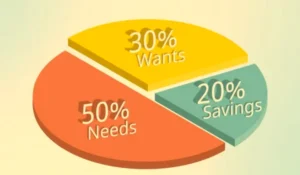
The popular 50/30/20 budgeting approach allocates roughly 50% to needs, 30% to wants and 20% to savings and debt repayment. However, these percentages are not compulsory. Your actual budget should reflect your income, location, family responsibilities and financial goals.
- Save Money Before Spending
Instead of saving whatever remains at the end of the month, make savings a planned expense.
For example, if your salary arrives on the first day of the month, transfer a predetermined amount to your savings or investment account shortly afterwards.
This approach reduces the temptation to spend the money unnecessarily.
- Build an Emergency Fund
An emergency fund is money kept aside for unexpected expenses such as job loss, urgent repairs or other financial emergencies.
A commonly used target is around 3 to 6 months of essential expenses, although the appropriate amount depends on your income stability and personal circumstances.
Keep emergency money in relatively accessible and low-risk options rather than putting all of it into investments that can fluctuate in value.
- Control Unnecessary Spending
Reducing spending does not mean eliminating everything you enjoy. Instead, identify expenses that provide little value.
Look for:
- Unused subscriptions
- Frequent food delivery
- Impulse purchases
- Unplanned online shopping
- Unnecessary fees
- Expensive lifestyle upgrades
Before making a significant purchase, ask whether it is a genuine need, a useful want or simply an impulse.
- Manage Your Debt Carefully
Debt can become expensive when interest rates and fees are high.
Make a list of all your debts, including:
- Outstanding amount
- Interest rate
- EMI
- Remaining tenure
- Prepayment conditions
Prioritising high-interest debt can reduce the overall interest burden.
Credit card balances are particularly important to manage because carrying unpaid balances can result in substantial interest and charges.
- Set Financial Goals
Money management becomes easier when you have specific goals.
Your goals could include:
- Building an emergency fund
- Buying a house
- Purchasing a vehicle
- Paying for education
- Starting a business
- Planning retirement
- Creating a travel fund
Separate goals into short-term, medium-term and long-term categories.
For each goal, estimate the amount required and the time available. This helps determine how much you need to save or invest regularly.
- Start Investing According to Your Goals
Saving and investing are not the same.
Savings are generally intended for short-term needs and emergencies, while investments can be used for longer-term financial goals.
Depending on your risk tolerance and goals, investment options in India may include:
- Fixed deposits
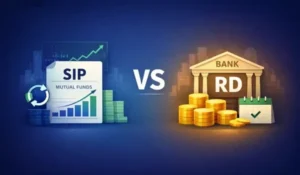
- Recurring deposits
- Public Provident Fund
- Mutual funds
- National Pension System
- Stocks
- Bonds
- Other regulated investment products
Do not select an investment simply because it has produced high returns in the past. Understand the risk, liquidity, costs and tax implications before investing.
- Protect Your Finances With Insurance
A major unexpected expense can damage years of savings.
Appropriate insurance can help protect against significant financial risks. Depending on your circumstances, this may include:
- Health insurance
- Term life insurance
- Motor insurance
- Personal accident insurance
Insurance should primarily be viewed as financial protection rather than an investment-return strategy.
- Avoid Lifestyle Inflation
When income increases, it is tempting to increase spending immediately.
For example, receiving a salary increase may lead to a more expensive car, larger rent, additional subscriptions and frequent dining out.
Instead, consider directing a portion of every income increase toward savings, investments or debt repayment.
This allows your financial position to improve as your income grows.
- Keep Separate Accounts for Different Goals
Using separate accounts or clearly separated financial buckets can make money management easier.
For example:
- Salary account for regular income
- Savings account for emergency funds
- Investment accounts for long-term goals
- Separate account for business finances, if self-employed
This makes it easier to understand how much money is actually available for spending.
- Review Your Finances Regularly
Money management should be an ongoing process.
Once a month, review:
- Total income
- Total expenses
- Savings rate
- Debt outstanding
- Investment contributions
- Emergency fund
- Progress toward financial goals
A more detailed review can be performed every six or twelve months.
Simple Money Management Formula
A basic system can be:
Income − Essential Expenses − Debt Payments − Savings/Investments = Discretionary Spending
The exact allocation will differ for every individual.
If your expenses are consistently higher than your income, focus first on reducing unnecessary spending and addressing expensive debt rather than increasing investments with borrowed money.
Common Money Management Mistakes
Avoid these common mistakes:
- Spending without a budget
- Having no emergency fund
- Using credit for unnecessary purchases
- Ignoring high-interest debt
- Investing without understanding risk
- Keeping all money in one asset
- Delaying retirement planning
- Buying inadequate insurance
- Increasing lifestyle expenses with every salary increase
- Not reviewing bank and investment statements
Frequently Asked Questions
How much of my income should I save?
There is no universal percentage suitable for everyone. A practical target depends on your income, expenses, debt and financial goals. Start with an amount you can consistently maintain and increase it as your income improves.
What should I do first: save or invest?
Build an appropriate emergency fund and manage expensive debt before taking significant investment risks. After that, investments can be structured according to your financial goals and time horizon.
How can I control unnecessary spending?
Track expenses for at least one month, identify recurring unnecessary costs and set spending limits for discretionary categories.
Is budgeting necessary if I earn a high salary?
Yes. Higher income does not automatically result in financial security. Without expense control and financial planning, spending can increase along with income.
Conclusion
Effective money management starts with understanding your income and expenses. Create a realistic budget, save regularly, maintain an emergency fund, manage debt and invest according to your financial goals.
The most important part is consistency. Small improvements in spending, saving and investing can make a significant difference to your finances over the long term.