Loans are an important source of finance for individuals, families, students, professionals and businesses. A loan allows a borrower to access money for a specific purpose or financial requirement and repay it over an agreed period, usually with interest and applicable charges.
In India, loans are available for many purposes, including buying a home, purchasing a vehicle, paying education expenses, meeting personal requirements, starting or expanding a business, or raising funds against an asset.
Loans can be classified in different ways. One common distinction is between secured and unsecured loans. They can also be classified according to their purpose, such as home loans, personal loans, education loans, gold loans and business loans.
The right loan depends on the amount required, purpose, repayment capacity, interest rate, tenure, collateral requirements and other terms.
What Are the Main Types of Loans in India?
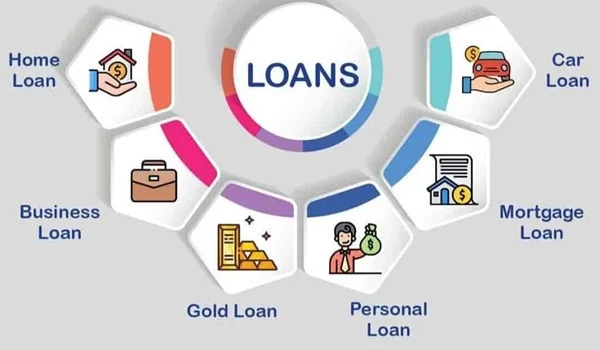
The major types of loans available to individuals and businesses include:
- Home Loan
- Personal Loan
- Vehicle Loan
- Education Loan
- Gold Loan
- Loan Against Property
- Business Loan
- Working Capital Loan
- Consumer Durable Loan
- Loan Against Securities
- Agricultural Loan
- Microfinance Loan
- Construction or Home Improvement Loan
- Overdraft and Cash Credit Facilities
Not every lender offers every type of loan, and eligibility, pricing and terms vary between lenders.
Quick Comparison of Different Loans
| Loan Type | Main Purpose | Usually Secured? | Common Borrowers |
| Home Loan | Purchase or construction of property | Yes | Individuals |
| Personal Loan | General personal expenses | Usually no | Individuals |
| Vehicle Loan | Purchase of vehicle | Usually yes | Individuals/businesses |
| Education Loan | Higher education expenses | Depends on amount/product | Students/parents |
| Gold Loan | Raise funds against gold | Yes | Individuals |
| Loan Against Property | Raise funds against property | Yes | Individuals/businesses |
| Business Loan | Business requirements | Depends on product | Businesses |
| Working Capital Loan | Day-to-day business operations | Depends on facility | Businesses |
| Consumer Durable Loan | Purchase of eligible consumer goods | Usually no or product-specific | Consumers |
| Loan Against Securities | Funds against eligible investments | Yes | Investors |
| Agricultural Loan | Farming and agricultural activities | Depends on product | Farmers/agri borrowers |
| Microfinance Loan | Small-value credit | Product-specific | Eligible low-income borrowers |
- Home Loan
A home loan is used primarily for purchasing, constructing or, depending on the product, improving residential property.
A lender generally evaluates the borrower’s income, repayment capacity, credit history and the property being financed. The property usually serves as security for the loan.
Common uses
- Buying a ready-to-move-in house
- Buying an under-construction property
- Constructing a house
- Purchasing certain residential plots along with construction, depending on the product
- Home improvement or renovation through specific loan products
How it works
The lender sanctions an amount based on the borrower’s eligibility and the property’s value and legal/technical assessment. Repayment is generally made through EMIs over a relatively long tenure.
Housing loan interest and principal can have tax implications subject to the applicable provisions and tax regime. For example, the Income Tax Department currently lists eligible housing-loan principal under Section 80C and Section 24(b) provisions for eligible taxpayers, with conditions varying according to the tax regime and property circumstances.
- Personal Loan
A personal loan is generally an unsecured loan that can be used for eligible personal requirements.
Unlike a home or gold loan, a typical personal loan does not require the borrower to pledge a specific asset as collateral.
Common uses
- Medical expenses
- Wedding expenses
- Travel
- Home-related expenses
- Emergency financial requirements
- Other permitted personal needs
Because there is generally no specific collateral, the lender may place greater emphasis on factors such as income, employment, existing obligations and credit history.
- Vehicle Loan
A vehicle loan helps finance the purchase of an eligible vehicle.
It may be available for:
- Cars
- Two-wheelers
- Commercial vehicles
- Other eligible vehicles
The vehicle is generally financed under a security arrangement in favour of the lender until the loan obligations are satisfied.
The borrower normally makes a down payment and finances the remaining eligible amount through the loan.
Factors to compare
Before taking a vehicle loan, check:
- Interest rate
- Loan amount
- Down payment
- Tenure
- Processing fee
- Insurance-related costs
- Prepayment conditions
- Total repayment amount
- Education Loan
An education loan is designed to help students finance eligible higher education expenses in India or abroad.
The Indian Banks’ Association Model Educational Loan Scheme provides a framework that banks can use for educational lending, although individual banks may have their own product terms and eligibility conditions.
Expenses may include
Depending on the loan and lender, financing may cover eligible:
- Tuition fees
- Examination fees
- Hostel expenses
- Books and equipment
- Travel expenses for eligible overseas education
- Other education-related costs permitted under the scheme
Moratorium period
Education loans may have a repayment structure that allows a moratorium during the course period and an additional period according to the applicable scheme or lender terms.
Government-supported education loan interest subsidy schemes may also apply to eligible borrowers subject to specific conditions.
- Gold Loan
A gold loan is a secured loan in which eligible gold jewellery or other permitted gold assets are pledged as security.
The lender assesses the gold and provides a loan according to its applicable loan-to-value and other rules.
How a gold loan works
- The borrower submits eligible gold to the lender.
- The lender assesses the gold.
- The eligible loan amount is determined.
- The borrower receives the loan.
- The borrower repays according to the agreed terms.
- The pledged gold is released after the applicable obligations are satisfied.
Gold loans can provide access to funds without selling the gold, but borrowers should understand interest, repayment deadlines, auction provisions and other terms before pledging the asset.
- Loan Against Property
A Loan Against Property (LAP) allows a borrower to raise funds by offering eligible property as collateral.
The property may be residential or commercial, depending on the lender and product.
Possible uses
- Business expansion
- Education
- Medical expenses
- Personal financial requirements
- Debt restructuring or consolidation, where permitted
- Other eligible purposes
The lender generally assesses both the borrower and the property.
Because the property is pledged as security, failure to repay can have serious consequences, including enforcement of the lender’s security rights under the applicable agreement and law.
- Business Loan
A business loan is designed to provide funding for eligible business requirements.
Businesses may use loans for:
- Expansion
- Equipment
- Inventory
- Marketing
- Working capital
- Technology
- Opening a new location
- Other business expenses
Business loans can be secured or unsecured depending on the lender, borrower and product.
The lender may evaluate business turnover, profitability, banking transactions, tax records, business vintage, credit history and repayment capacity.
- Working Capital Loan
Working capital financing helps businesses meet their short-term operating requirements.
A business may need working capital to pay for:
- Inventory
- Raw materials
- Salaries
- Supplier payments
- Operating expenses
- Receivables gaps
Working capital facilities can include cash credit, overdraft and other forms of short-term business finance.
Unlike a loan used to purchase a specific long-term asset, working capital finance is primarily intended to support the regular operating cycle of a business.
- Consumer Durable Loan
A consumer durable loan is used to finance the purchase of eligible consumer products.
Examples can include:
- Refrigerators
- Washing machines
- Televisions
- Air conditioners
- Computers
- Other eligible appliances or electronics
Some such financing is offered at the point of sale, including through partnerships between lenders and merchants.
The borrower should check whether the advertised financing is actually interest-free or whether the cost is reflected through processing fees, product pricing or other charges.
- Loan Against Securities
A loan against securities allows eligible investments to be used as security for borrowing.
Depending on the lender and product, eligible securities may include certain:
- Shares
- Mutual fund units
- Bonds
- Government securities
- Other approved investments
The securities remain subject to the lender’s security arrangement during the loan period.
If the value of pledged securities falls significantly, the borrower may need to provide additional security or repay part of the loan according to the applicable terms.
- Agricultural Loan
Agricultural loans are designed to finance eligible farming and allied activities.
They may be used for purposes such as:
- Seeds
- Fertilisers
- Agricultural inputs
- Crop production
- Farm equipment
- Irrigation
- Dairy and allied activities
- Other eligible agricultural requirements
Agricultural credit can fall under the broader priority-sector lending framework, subject to RBI’s applicable rules and classification requirements. RBI’s current Priority Sector Lending framework covers categories including agriculture and other specified sectors.
The exact product, interest rate, collateral and repayment structure depend on the scheme and lender.
- Microfinance Loan
Microfinance provides relatively small-value financial services to eligible borrowers, particularly those who may have limited access to traditional forms of credit.
Microfinance institutions and other regulated entities can provide credit under applicable regulatory frameworks.
The amount, eligibility, repayment structure and borrower requirements depend on the applicable product and regulatory conditions.
Borrowers should understand the complete cost of borrowing rather than looking only at the periodic instalment.
- Home Improvement or Renovation Loan
A home improvement loan is designed for eligible renovation, repair or improvement work.
Funds may be used for requirements such as:
- Repairs
- Painting
- Flooring
- Electrical work
- Plumbing
- Kitchen renovation
- Other eligible improvements
Some lenders offer home improvement financing as part of their housing loan portfolio, while others may structure it differently.
Tax treatment depends on the nature of the loan, property and applicable tax provisions.
- Construction Loan
A construction loan is used to finance the construction of a residential property, subject to the lender’s eligibility conditions.
Instead of receiving the entire sanctioned amount at once, the borrower may receive funds in stages based on the progress of construction.
This is different from a standard loan used to purchase a completed property because disbursement may be linked to construction milestones.
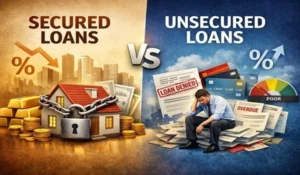
Secured vs Unsecured Loans
Another important way to classify loans is according to whether collateral is required.
Secured loans
A secured loan is backed by an asset.
Examples include:
- Home loans
- Gold loans
- Loans against property
- Many vehicle loans
- Loans against securities
If the borrower defaults, the lender may have rights over the security according to the agreement and applicable law.
Unsecured loans
An unsecured loan does not generally require a specific asset to be pledged.
Examples include:
- Personal loans
- Some business loans
- Certain consumer finance products
Because the lender does not have a specific asset as security, eligibility and pricing can depend significantly on the borrower’s credit profile and repayment capacity.
Short-Term vs Long-Term Loans
Loans can also be classified based on tenure.
Short-term loans
These are generally repaid over a shorter period and are commonly used for immediate or working-capital requirements.
Long-term loans
These are repaid over a longer period and are commonly associated with large purchases such as homes or certain business investments.
A longer tenure can reduce the periodic EMI for a given loan amount and interest rate, but it can increase the total interest paid over the loan’s lifetime.
How to Choose the Right Type of Loan
The appropriate loan depends primarily on the purpose and repayment capacity.
For buying a house
A home loan is generally designed specifically for eligible residential property purchases or construction.
For a short-term personal requirement
A personal loan may be an option, subject to eligibility and cost.
For education
An education loan is designed specifically for eligible education expenses.
For emergency funds against gold
A gold loan may be considered when the borrower has eligible gold available as collateral.
For business expansion
A business loan, term loan or working capital facility may be relevant depending on the requirement.
For raising funds against property
A loan against property may be relevant when the borrower has eligible property and needs a larger secured facility.
The objective should be to match the loan with the actual requirement rather than choosing a product solely because it offers a higher loan amount.
Factors to Compare Before Taking a Loan
Before accepting a loan, compare more than just the interest rate.
| Factor | Why It Matters |
| Interest rate | Determines a major part of borrowing cost |
| Loan amount | Determines how much you borrow |
| Tenure | Affects EMI and total interest |
| EMI | Determines regular repayment burden |
| Processing fee | Adds to borrowing cost |
| Other charges | Can increase total cost |
| Collateral | Determines whether an asset is pledged |
| Prepayment terms | Important if you want to repay early |
| Default provisions | Shows consequences of missed payments |
| Documentation | Determines application requirements |
| Disbursal process | Determines when and how funds are released |
What Determines Loan Eligibility?
Each lender has its own eligibility criteria, but common factors can include:
- Age
- Income
- Employment or business profile
- Credit history
- Existing loans
- Monthly financial obligations
- Loan amount requested
- Loan tenure
- Collateral value for secured loans
- Banking and financial records
For business and agricultural loans, additional information about the business or farming activity may be required.
Does Every Loan Have an EMI?
No.
Many retail loans use EMIs, but not every credit facility works in exactly the same way.
For example, an overdraft or cash credit facility can operate differently from a conventional term loan. Interest may be calculated based on the amount utilised and the applicable terms.
Therefore, borrowers should understand the repayment mechanism rather than assuming that every form of borrowing is an EMI loan.
What Happens If You Cannot Repay a Loan?
Failure to repay a loan can result in overdue amounts, applicable charges and negative effects on credit history. Continued default can lead to recovery action according to the loan agreement and applicable law.
For secured loans, the consequences can also involve enforcement against the collateral under the applicable process.
If repayment difficulties arise, contacting the lender early and understanding available options is generally preferable to ignoring the problem.
Frequently Asked Questions
Which are the main types of loans in India?
Major categories include home loans, personal loans, vehicle loans, education loans, gold loans, loans against property, business loans, working capital loans, consumer durable loans, agricultural loans and loans against securities.
Which loans are secured?
Common secured loans include home loans, gold loans, loans against property, many vehicle loans and loans against securities. The exact security arrangement depends on the product.
Which loans are unsecured?
Personal loans are commonly unsecured. Some business and consumer finance products can also be unsecured depending on the lender and product.
What is the difference between a personal loan and a home loan?
A personal loan is generally an unsecured loan for eligible personal requirements, while a home loan is specifically designed for eligible housing-related purposes and is generally secured against the property.
Is a gold loan a secured loan?
Yes. A gold loan is secured against eligible gold pledged with the lender.
What is a loan against property?
It is a secured loan where eligible property is pledged as collateral to raise funds for permitted purposes.
Can education loans be used for studying abroad?
Yes, education loan products can cover eligible overseas education expenses, subject to the lender’s scheme and eligibility conditions. The IBA Model Educational Loan Scheme includes provisions for higher education in India and abroad.
Which loan usually has the longest tenure?
Home loans commonly have longer repayment periods than many personal or consumer loans, but the actual maximum tenure depends on the lender, borrower’s age, product and other eligibility conditions.
Does a higher loan amount mean a better loan?
No. A higher sanctioned amount simply means greater borrowing capacity. Borrowing more than necessary can increase the EMI and total interest burden.
Can one person have multiple loans?
Yes, a borrower can have multiple loans if lenders approve them and the borrower meets their respective eligibility requirements. However, multiple EMIs increase the overall financial obligation and should be considered carefully.
Conclusion
India has a wide range of loan products designed for different financial needs. Home loans help finance eligible residential property, personal loans provide unsecured funding for permitted personal requirements, education loans support eligible higher education expenses, and gold loans provide finance against pledged gold.
Similarly, businesses can use business and working capital loans, while borrowers with eligible assets can consider secured facilities such as loans against property or securities.
The most important step is to match the loan type with the actual purpose and repayment capacity. Before borrowing, compare the interest rate, EMI, tenure, total repayment, fees, collateral requirements and prepayment/default terms rather than choosing a loan only on the basis of the amount offered.